Sheet Metal Manufacturing

Precision Fiber
Laser Cutting

Production-ready parts cut from carbon steel, stainless steel, and aluminum—from one-off components to repeat production.

6 kWFiber Laser Source
157 × 78 inMaximum Working Area
Up to 1 inCarbon Steel Capacity
NitrogenPrimary Assist Gas

Maximum capacity depends on material grade, geometry, required edge condition, and project specifications.

Controlled from file to finished profile

Clean geometry starts with a controlled process.

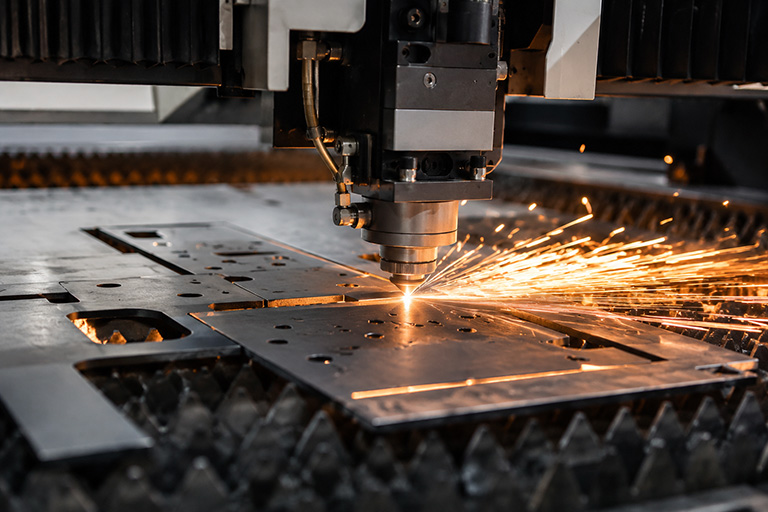
We review the drawing, material, thickness, contour geometry, and downstream requirements before cutting. The goal is not simply to separate material—it is to deliver parts that are ready for bending, welding, machining, or assembly.
01Drawing and geometry review
02Process selection by material and thickness
03Edge quality matched to downstream operations
Fiber laser cutting head processing sheet metal
What We Cut

Sheet parts built around the application.

From simple profiles to detailed production components, each project is reviewed for material behavior, geometry, and the operations that follow cutting.

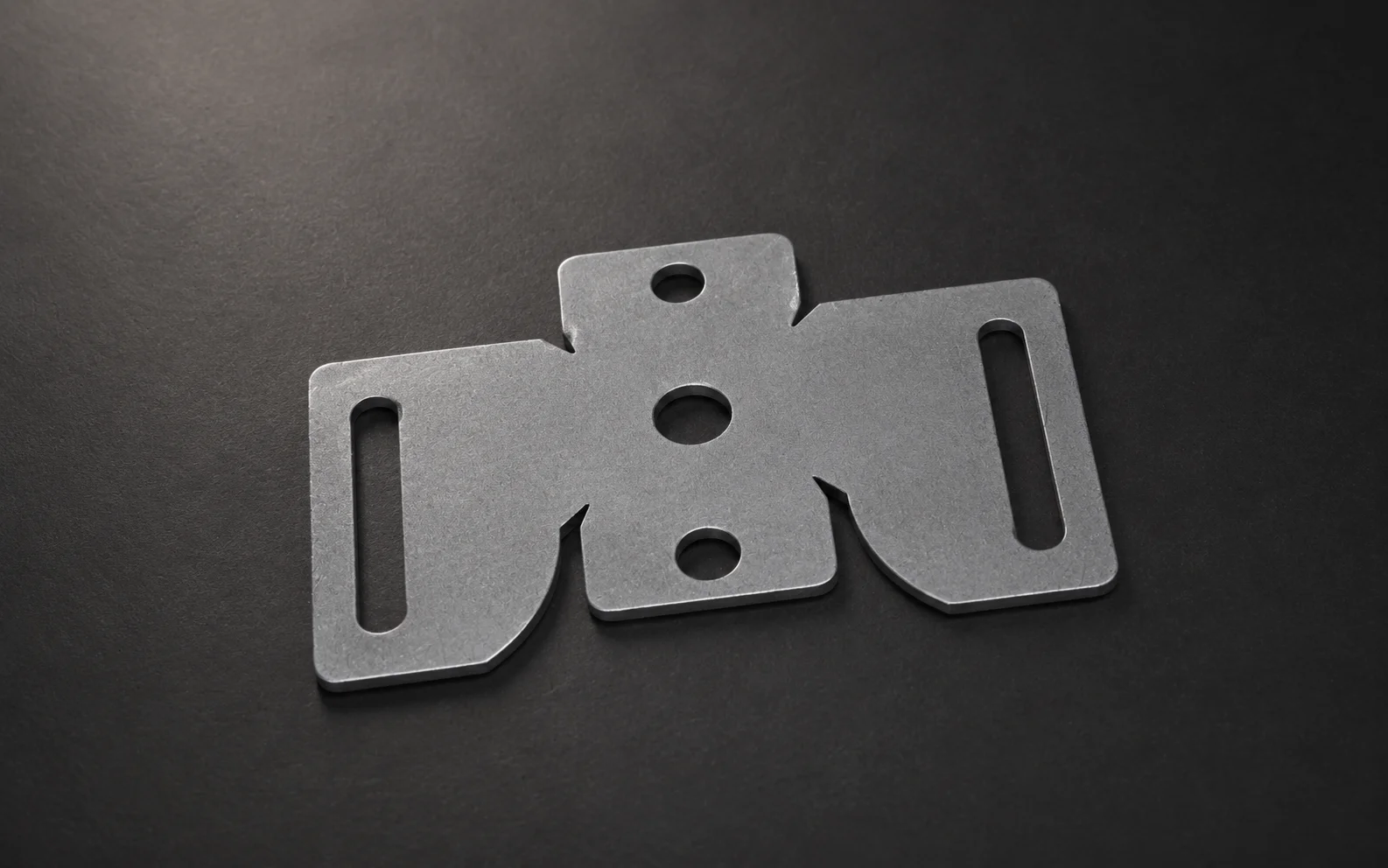
Nitrogen-cut carbon steel sprocket bracket

Brackets and mounting plates

Accurate profiles, holes, slots, and mounting features for equipment and assemblies.
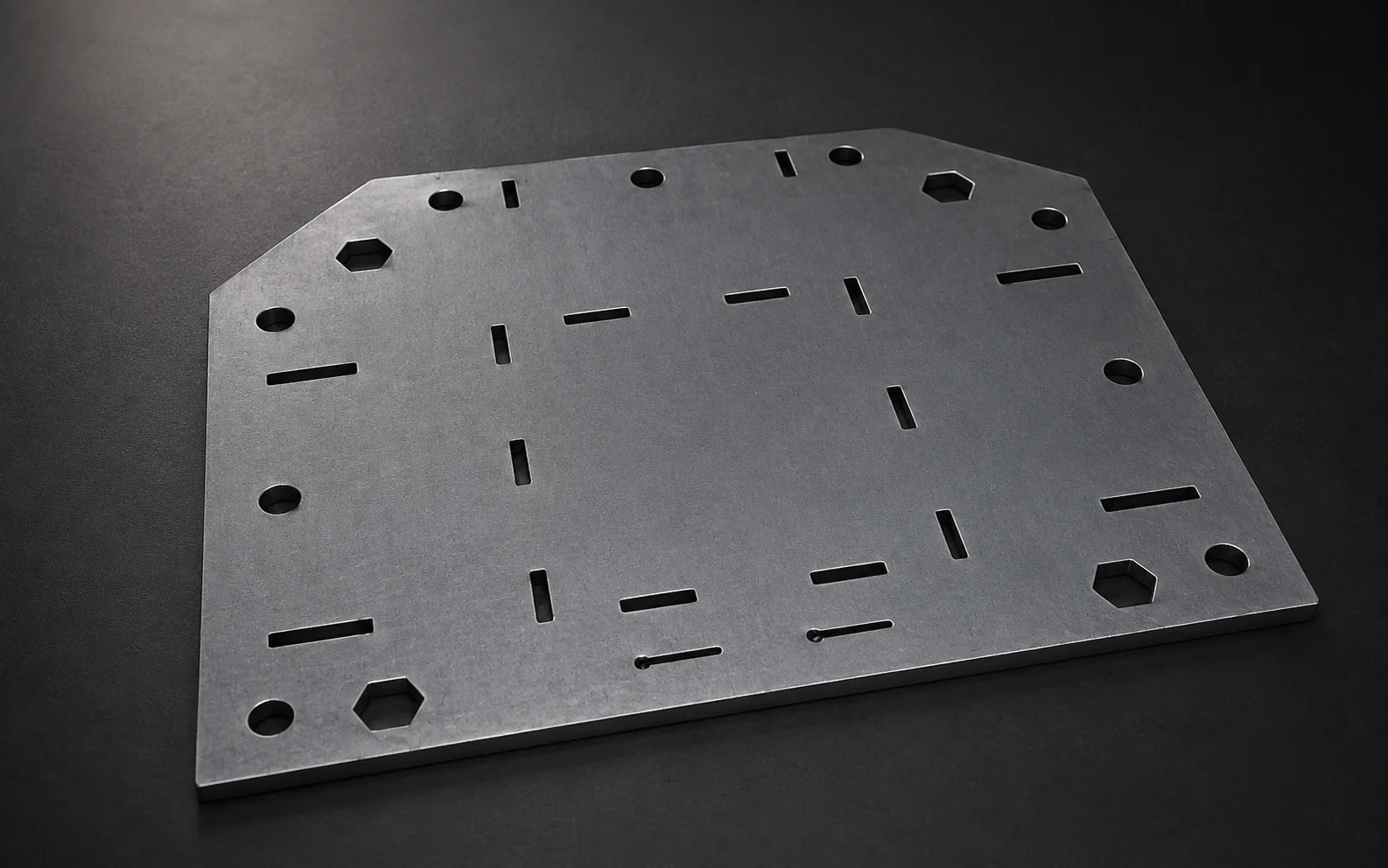
Heavy carbon steel machine mounting panel

Machine panels and guards

Large-format panels and protective components with repeatable cut geometry.
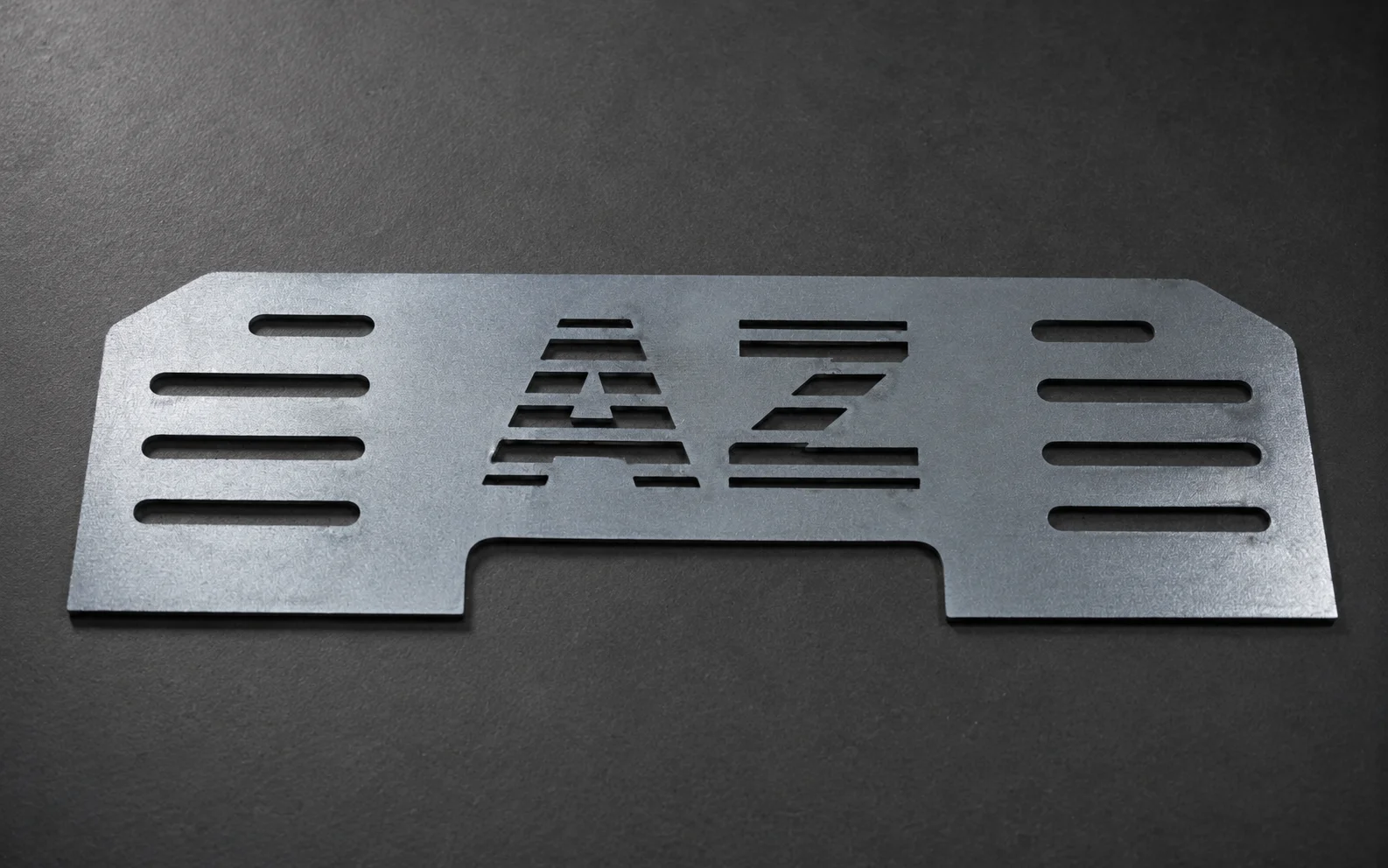
Laser-cut carbon steel enclosure front cover

Enclosures and cabinet components

Cutouts, ventilation patterns, openings, and formed-part blanks for equipment housings.
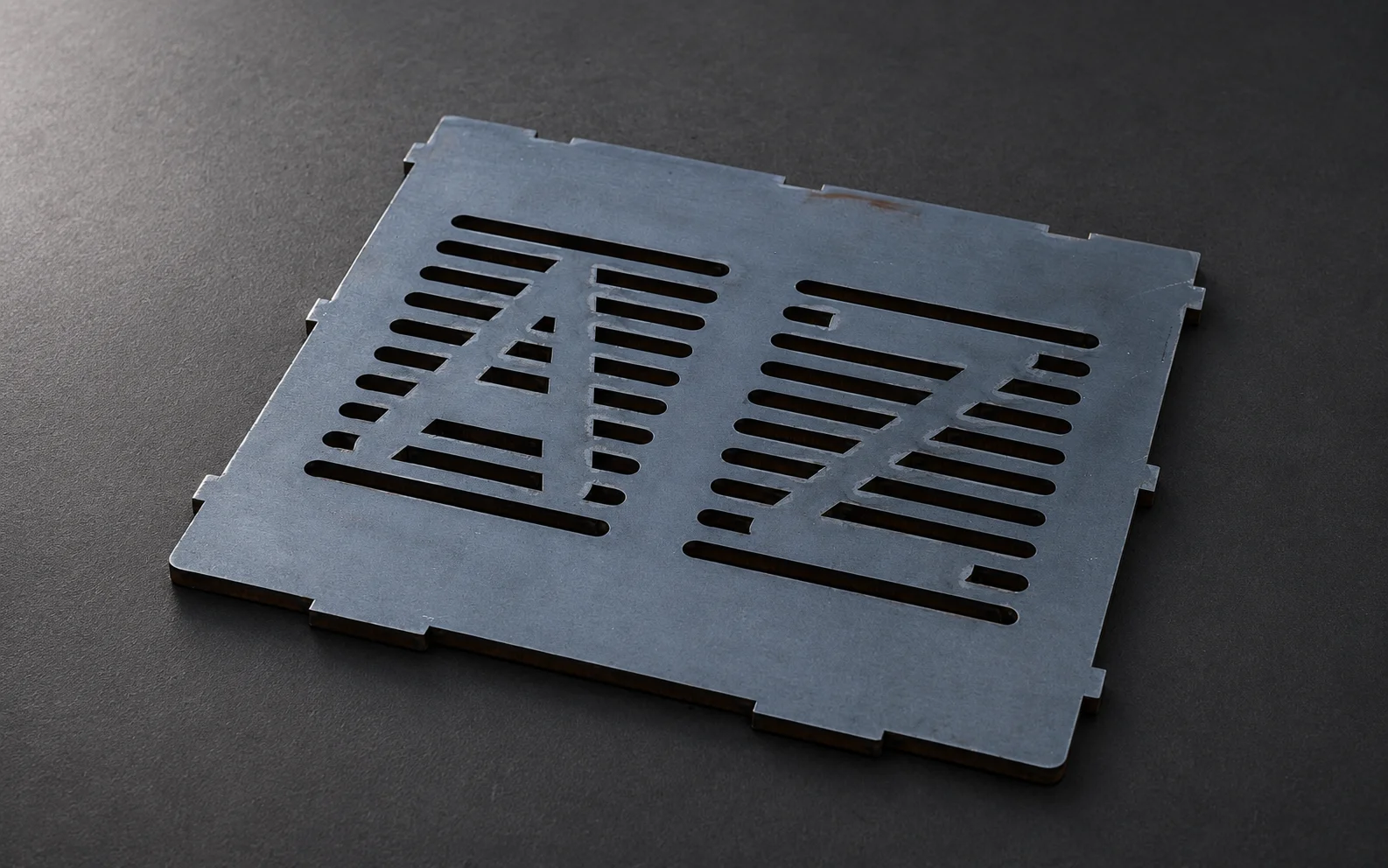
Laser-cut carbon steel structural beam panel

Structural and frame components

Plates, reinforcements, frames, and heavier-gauge elements for fabricated structures.
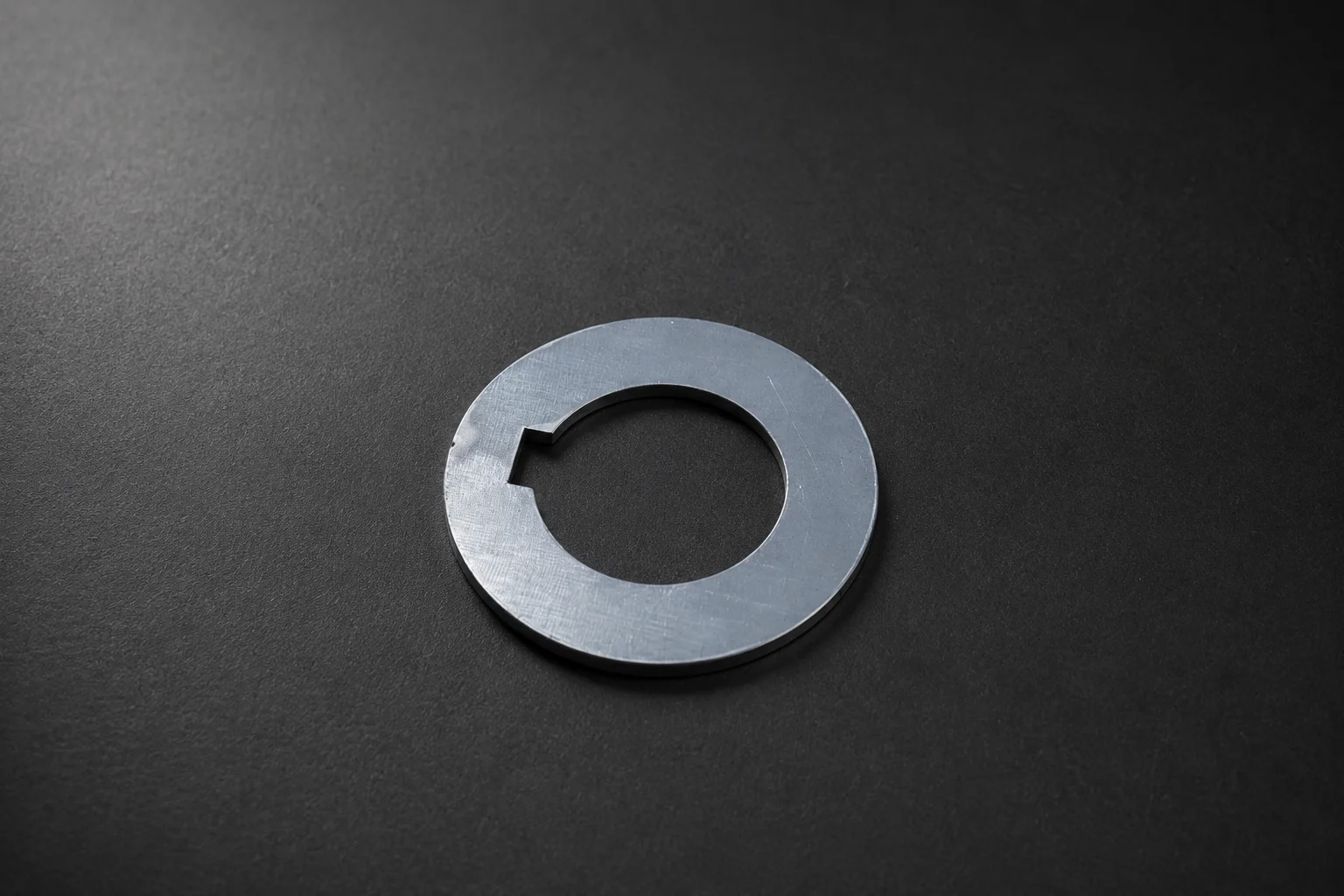
Detailed laser-cut carbon steel spacer with key slot

Decorative and detailed profiles

Clean internal features and complex contours for visible or precision applications.
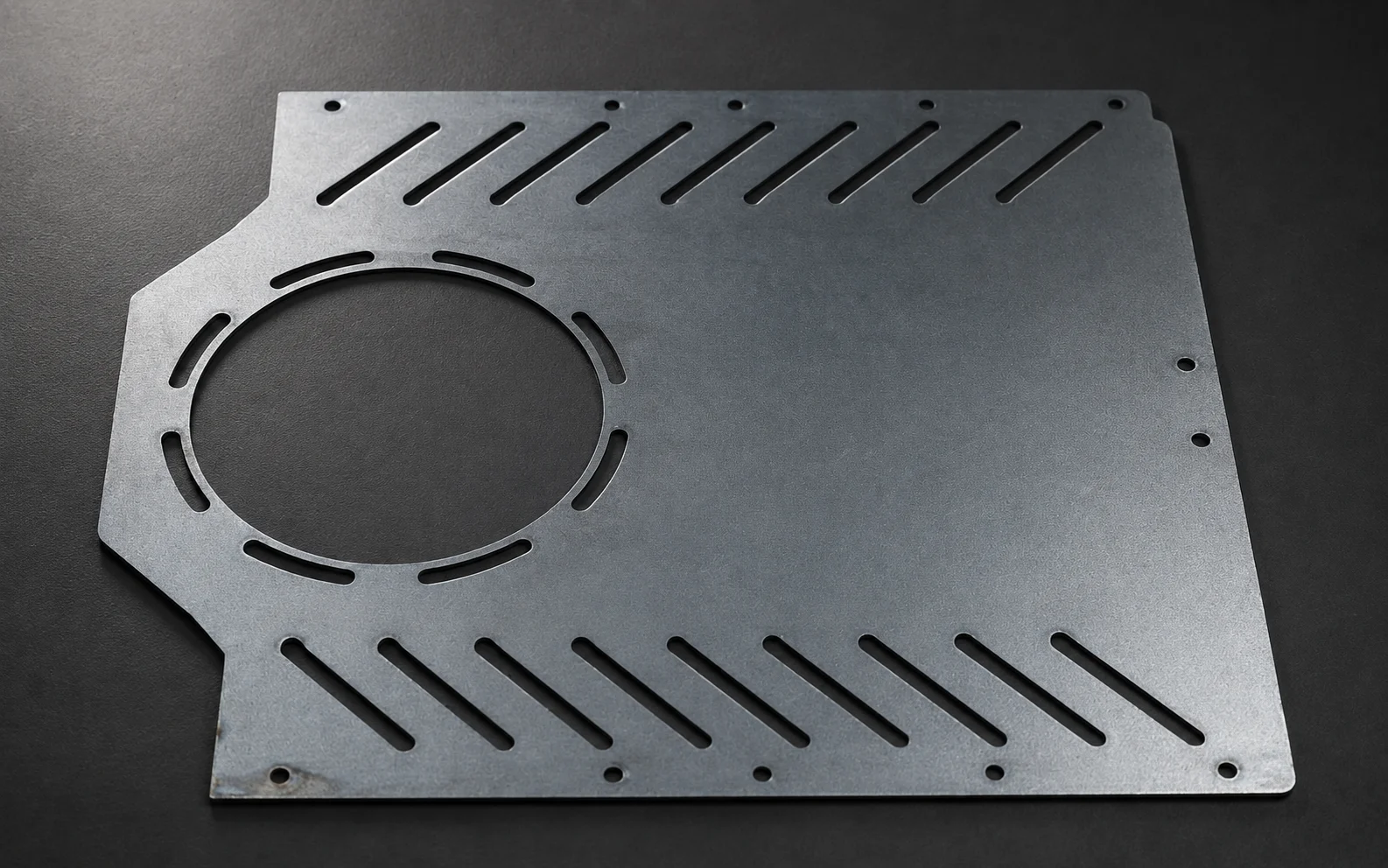
Laser-cut sensor enclosure cover

Prototype and production parts

One-off development parts, replacement components, and repeat production quantities.
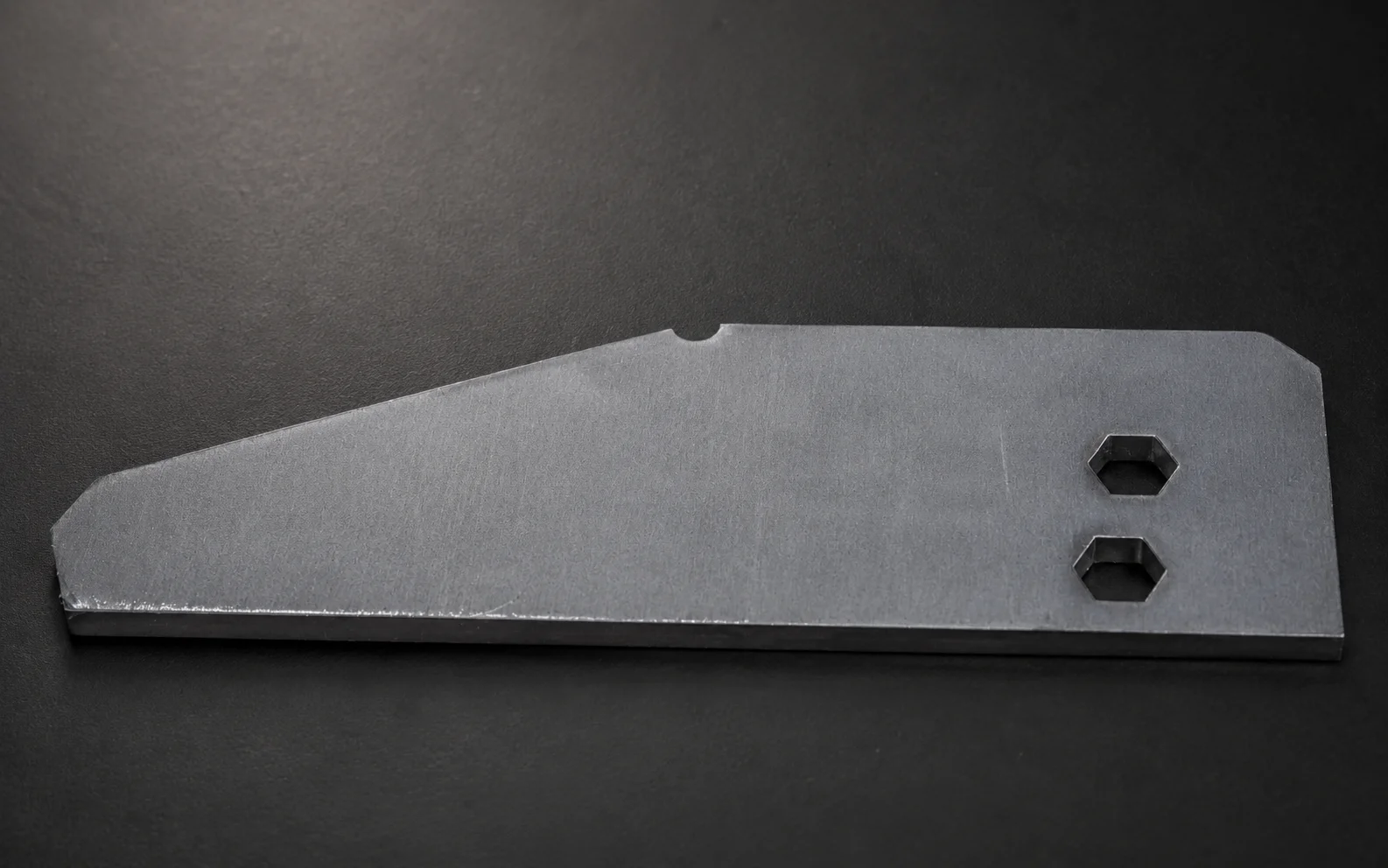
Clean nitrogen-cut edge on carbon steel component
Edge Quality

Cut for the next operation.

High-purity nitrogen is used on applicable work to produce clean, oxide-free edges that are better suited for welding, forming, coating, and assembly. Process parameters are selected around material, thickness, geometry, and the finished-part requirement.

  • Reduced oxide on applicable materials
  • Cleaner weld preparation
  • Less secondary edge cleanup
  • Consistent geometry across repeated parts

Nitrogen is the primary cutting gas. Oxygen may be selected for thicker carbon steel when required by the process.

Materials and Thicknesses

Core sheet materials. Qualified by project.

Representative maximums establish the machine envelope. Final capability is confirmed from the alloy, geometry, size, tolerance, and required edge condition.

01

Carbon Steel

Up to 1 in

Machinery, structural components, brackets, frames, and general industrial fabrication.

Nitrogen for clean edges where applicable; oxygen may be used on heavier plate.
02

Stainless Steel

Up to 3/4 in

Food equipment, marine components, enclosures, architectural work, and process equipment.

Nitrogen cutting supports clean, oxide-free edges.
03

Aluminum

Up to 3/4 in

Equipment panels, lightweight structures, enclosures, prototypes, and product components.

Capacity and finish depend on alloy and thickness.
Where It Fits

A flexible process for serious industrial work.

Laser cutting supports both stand-alone flat parts and complete fabricated assemblies across a wide range of applications.

Industrial equipment
Automation and robotics
Food-processing equipment
Marine and outdoor products
Architectural metalwork
Product development and prototypes
Technical Specifications

The working envelope.

Laser source
6 kW fiber laser
Maximum sheet working area
157 × 78 in
Carbon steel
Up to 1 in*
Stainless steel
Up to 3/4 in*
Aluminum
Up to 3/4 in*
Primary assist gas
High-purity nitrogen
Supported quantities
Prototype, custom, and production runs
Accepted project information
DXF, drawing, material, thickness, quantity, and finish requirements
Secondary services
CNC forming and laser welding

*Maximum thickness is application-dependent. Final capability is confirmed after review of material grade, geometry, tolerances, edge requirements, and part size.

Design and File Guidance

Give us the information that controls the result.

Drawings are reviewed before production. Complex geometry, tight tolerances, and special edge requirements may require additional engineering review.

Start a Quote
  1. 01

    Provide a DXF or dimensioned drawing

    Include the complete cut geometry and any dimensions that define critical features.

  2. 02

    Identify material and thickness

    State the alloy or grade when it affects performance, certification, or finish.

  3. 03

    State quantity and required lead time

    Separate prototype quantities from anticipated repeat production when applicable.

  4. 04

    Include tolerance, finish, and downstream requirements

    Tell us when parts will be formed, welded, coated, machined, or used as visible components.

Frequently Asked Questions

Laser cutting questions, answered directly.

Our core sheet materials are carbon steel, stainless steel, and aluminum. Material grade, surface condition, thickness, and the required finished edge are reviewed before capability is confirmed.

The sheet laser has a working area up to 157 × 78 inches. Part size, sheet availability, handling requirements, and nesting strategy are considered during review.

Representative capacities are up to 1 inch carbon steel and up to 3/4 inch stainless steel or aluminum. Maximum thickness is application-dependent and must be confirmed after reviewing the full part requirement.

High-purity nitrogen is our primary assist gas and is selected for clean, oxide-free edges where applicable. Oxygen may be used for thicker carbon steel when it is the appropriate process for the project.

Yes. We support prototypes, replacement parts, one-off custom work, and production quantities. Project minimums and timing are confirmed during quoting.

Yes. AZ-CNC also provides CNC press brake forming and laser or MIG welding, allowing many projects to remain with one accountable manufacturing partner.

A DXF is preferred for flat cut geometry. Dimensioned PDFs, STEP files, SolidWorks files, and supporting technical drawings can also be included to communicate tolerances and downstream requirements.

Customer-supplied material may be considered by review. We need to confirm alloy identification, flatness, surface condition, usable sheet size, and available allowance before accepting it for production.
Ready to Manufacture

Send the drawing.
We’ll review the process.

Upload your file with the material, thickness, quantity, and project requirements. Our team will review it and respond with the next step.